WHO IS THIS PROGRAM FOR?
We select teams that already have a game concept*, are ready to start developing a prototype (the so-called “first playable build”), and are prepared to devise a strategy for bringing their idea to market.
The conditions that each team must meet are as follows:
-
You have between two and five team members;**
-
At least one team member is a Programmer and another is an Artist;
-
You have a developed concept (art, defined gameplay loop, knowledge of your audience and competitors…);
-
You do not yet have a public playable demo or vertical slice;
-
You have not previously secured significant funding for this project.
* You will present this concept to us via a presentation included in your application. You can view the required elements for that presentation here.
** If you are a solo developer and add someone to your team solely to meet this requirement, we may disqualify you at any stage of the program. We do not doubt that solo developers can achieve great results (many are our members, after all!), but this program is designed for actual teams.
WHAT YOU CAN LEARN
The program will consist of 12 workshops. Here are some of them, along with the questions they will address:
- Market Research: How to set realistic expectations regarding the number of game copies sold?
- Art Direction and Technical Architecture: How to make decisions that won’t slow down development in later stages of production?
- Production and Pipeline Planning: When should the project scope be re-evaluated?
- Business Model – Pricing, Platforms, P&L: What sales volume is required to reach the break-even point?
- Investors and Publishers: What do publishers and investors really look for?
- Community and Marketing: When to start promoting the game and how to sustain audience interest?
- Press Kit and Steam Page: How to create a Steam page that converts visits into wishlists?
- Playtesting: Which metrics really matter?
- Pitch Deck Construction and Storytelling: How to tailor the pitch to different audiences?
The best way to find out if this program is the right choice for your team is to see whether the answers to the questions you just read will solve some of your problems or reveal aspects you hadn’t even considered.
WHAT IS EXPECTED FROM YOU?
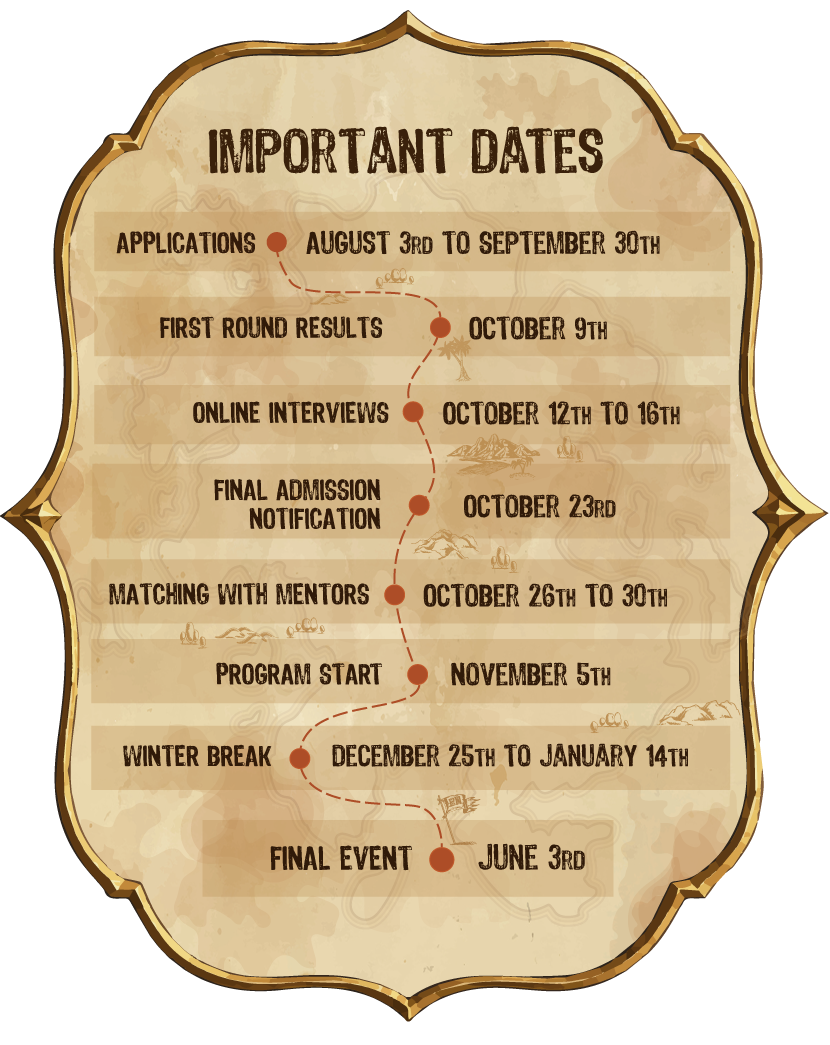
During these seven months, we expect you to set aside time for:
- An interview for program admission;
- In-person meetings every other week in central Belgrade, lasting four hours;
- Sessions with mentors;
- Teamwork.
HOW MUCH DOES IT COST?
WHAT IS THE FINAL PRODUCT?
By the end of the program, each team will have a press kit, a pitch deck for presentations and submission to publishers or investors, and a first playable demo.
Teams may also prepare a brief for a Steam gameplay trailer and the Steam store page itself, though publishing them is not required.
EXPERTS MONITORING YOUR DEVELOPMENT
Each team will be assigned a mentor to track your progress over these seven months!
A mentor will be assigned specifically to your team and is required to meet with you at least twice a month:
- once to discuss your progress toward the set milestone;
- the second time for an open session on a topic of your choice.
And here are the mentors for this cycle
Marija Ilić
Adrian Đura
Vladimir Tolmačev
Milica Todorović
Nikola Šobajić
Bojan Mirosavljević
WHAT IS PROVIDED?
- All live workshops take place in the premises of ARC in Ložionica (Belgrade), where we have a large hall for work and lectures, and space for socializing.
- You will meet some of the leading local experts in the video game industry.
- We will visit major game development companies.
- You will have free access to all SGA events held during the program.
In addition, you have a unique opportunity to:
- present the game to a jury of industry professionals;
- receive support for further project development after the program concludes;
- receive a free one-year START membership with SGA;
- receive tickets for gamescom 2027 (the world’s largest video game trade fair) for the entire team;
- receive support with applications for Creative Europe grants.
However, participants from previous cycles of Playing Narratives say that one of the most valuable things they took away was the connections they made with other participants.
PROJECT POWERED BY:



PROGRAM FOUNDERS:


